
Elander Moore: “I only questioned who I was after meeting the mirrors of the world”
The actor on his identity crisis, the usefulness of mixed people and existing in the in-between

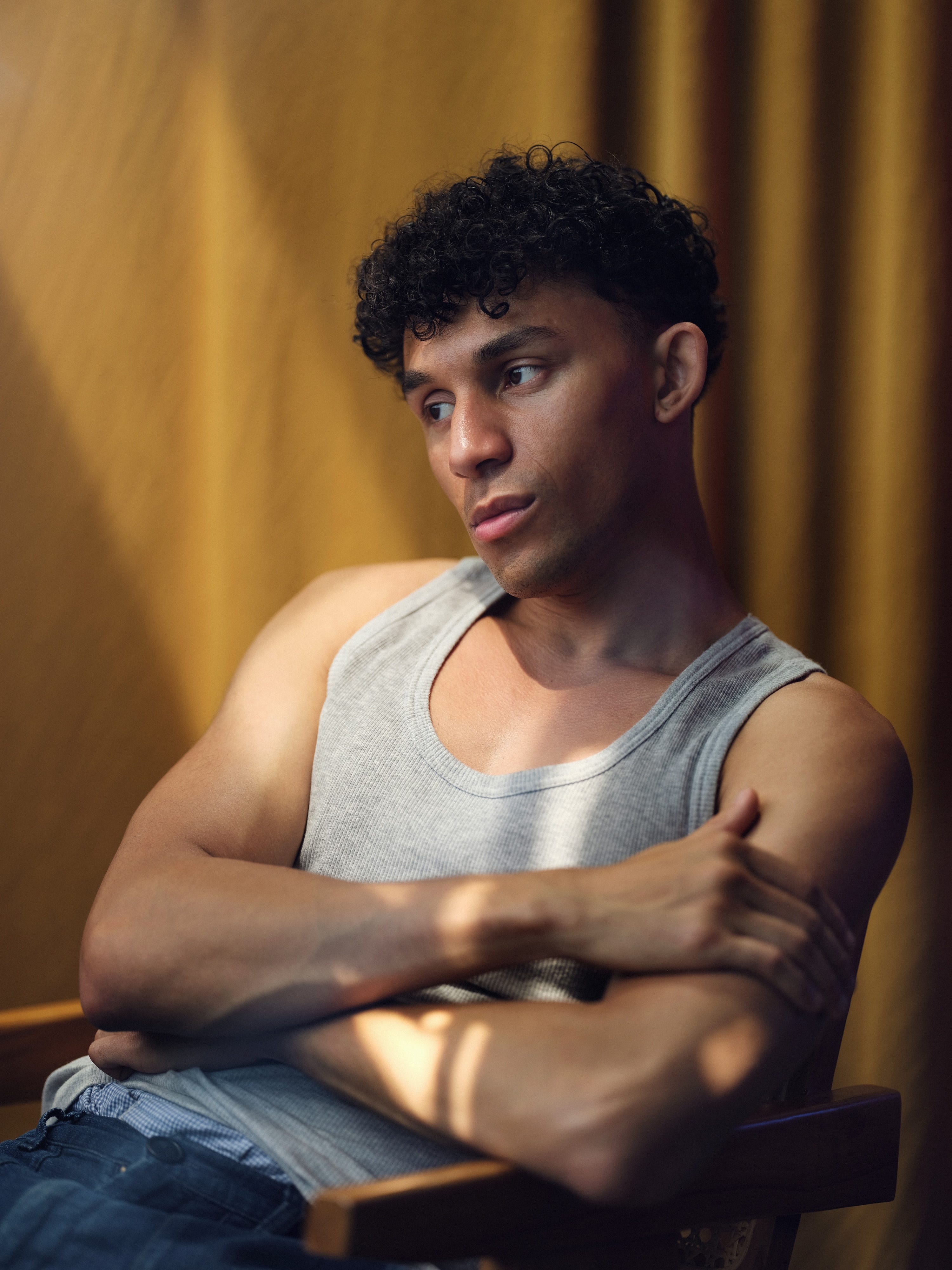
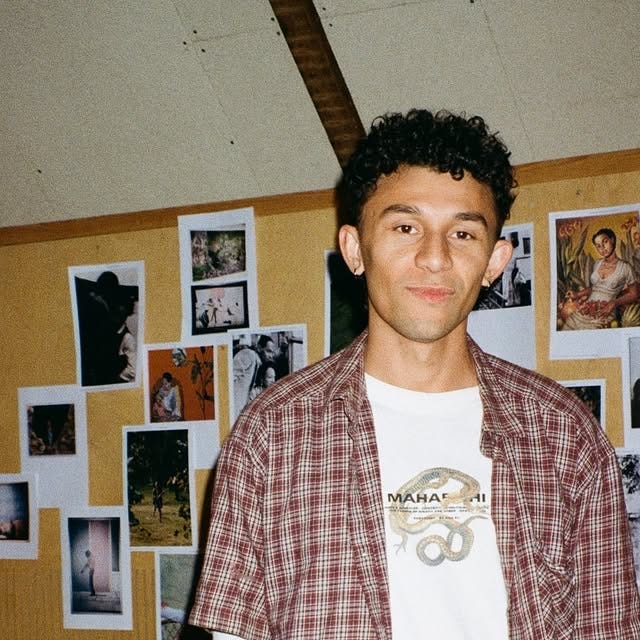
Hi, welcome back to Mixed Messages! This week’s guest is Elander Moore, who is of mixed-white British and Trinidadian heritage. Elander is an actor who you’ll have seen on screen in Interview with the Vampire and Kaos, as well as on stage in Miss Myrtle’s Garden (a play by previous guest, Danny James King.) He was also cast in period drama King & Conqueror, which didn’t come without controversy. I loved hearing Elander reflect on how his heritage has been expected of him, and I know you will too. Read his story below.
How do you describe your background?
I call myself British mixed-race. I grew up in East London. My mum is from Yorkshire and my dad is from Trinidad, but I didn’t grow up with him or any of our Black family.
My mum wanted to give me the best start in life, so she told me that I was just like everybody else. I think she was trying to help me, but it didn’t quite work out that way. We moved from London to Essex and it wasn’t until I stepped out the front door and met the mirrors of the world that I began to question who I was.
I remember walking into my year six class with my big, curly hair and all the kids gasped – it was quite a baptism of fire. I was suddenly met with this wall of kids who were observing me in a new way. That began the identity crisis.
What did that crisis feel like for you?
I suddenly realised that I was not the same as other people. These people had a preconceived idea of me that I didn’t have of myself. The things that they attached to me being Black or being from London, I just didn’t compute. I was trying to develop a way of being in response to that.
I was also dealing with queerness, how that was beginning to manifest inside of me. There were many layers. When I went home to my mum, she didn’t have the tools to be able to reflect that back to me.
Did this spark any conversations with your mum?
It did later. At the time, she was at work, so we’d only have an hour or two when she was making dinner [to talk.] I didn’t really know how to ask her “what is it to be this? Why are people calling me this name?” She didn’t understand what was going on with me. She was worried about providing, eating and sleeping.
You mentioned that you had to start searching for what it meant to be Black on your own – how did you go about that?
Music was big. I remember discovering The Miseducation of Lauryn Hill. I first heard it during a ballet lesson when we had a Black substitute teacher. I heard Ex-Factor and was like “woah.” It made me move in a different way than the usual music, which I didn’t connect with. She also played John Legend and Erykah Badu. I didn’t know the cultural and historical references behind this music, but I knew it made me feel ways that I hadn’t felt before.
It was hard to seek out culture because I didn’t know how to. I didn’t go to a barber shop until I was much older, which is a place where young men begin to discover themselves.
Where are you now with your identity?
My understanding of who I am as a person is that I am someone who has always existed in the in-betweens. I have a lot of insight on what it is to be in the middle. I’ve been around so many different kinds of people that I can understand them in ways that others can’t.
I still struggle with my identity. I’m always morphing and growing. With my job, with every new character that you meet, you have to rediscover and question yourself in a new way. It’s a journey, but I don’t think that makes me a victim. That makes me someone who has the ability to understand a wide range of people. Where we’re at right now, we need that skill. People are really struggling to be able to understand each other.
A lot of mixed people have experienced rejection from both sides, the confusion of feeling lost and like they don’t belong. That can create a feeling of victimhood. On one hand, that is true. On the other hand, it’s important to set that aside and work on how we can contribute and pass the mic to other people. It’s a difficult line to tread, but if you can begin to turn that pain and negativity into a positive, that’s where our use as mixed people lies.
What is the state of the entertainment industry right now?
I’ve experienced white people in my industry accepting mixed people much more easily. You are perceived to be Black or ethnic, but are palatable enough. I’ve had a great amount of privilege. I know that the complexion of my skin has played a part in being in rooms others haven’t been able to get into, and it would be foolish to not admit that.
I’m confused about how people perceive me. I don’t know what box I’m meant to fill. I’ve had some auditions where I’ve been asked to play certain races that are not my own, and I’ve had to turn them down.
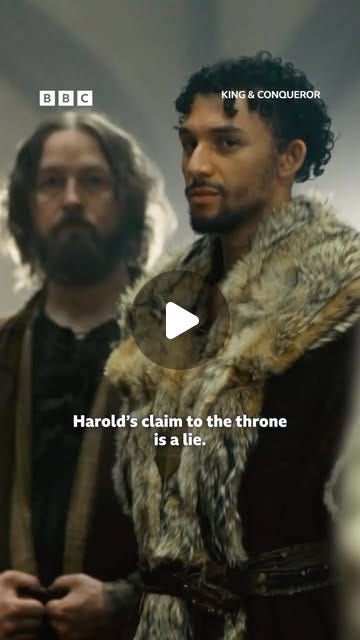
There was some controversy after your casting in period drama King & Conqueror as Morcar, Earl of Northumbria. How did you handle that?
I auditioned for a character that I deeply resonated with, somebody up against the patriarchy who was downtrodden. I poured in my life experiences of somebody who has fought for something and was hungry to be appreciated by whiteness.
There’s a separation for me between the creative process and the outcome. The outcome wasn’t very enjoyable. The mistake is to read the comments. The political moment calls for anything that bolsters the arguments on the left or on the right, so this show and casting became something that could be touted as that.
Have you noticed any stereotypes around mixedness?
I feel like every day people are misinterpreting and misunderstanding me. They’re putting their own misconceptions on me, whether that’s about my race, my sexuality or whatever. For a long time, I was desperate to be defined, for people to see, understand and know me. If they didn’t know me, they didn’t get me. My life experience has been the chaos of desperately trying to work out who I am. But now I understand myself. The stereotypes say more about them than they do about me.
What’s the best thing about being mixed for you?
Being in the in-between. The perspective I have of growing up around white working class people, being around my Black Caribbean friends, that is what makes Britain one of the most incredible countries in the world. Diversity is our strength. We’re all so similar, and we’re desperately trying to define who we are, having an identity crisis as a country. As somebody who has lived most of my life having an identity crisis, I feel like it’s given me tools to help reflect people back to themselves.
How would you sum up your mixed experience in one word?
Returning. It’s about going on this endless expedition to try and find myself. I was there the whole time. We get so wrapped up in ourselves as mixed people, because we’re trying to be understood by others, and that’s not our job. That’s other people’s job.
Subscribe to get Mixed Messages in your inbox on Monday!
Enjoy Mixed Messages? Support me on Ko-Fi! Your donations, which can start from £3, help me pay for the transcription software needed to keep this newsletter weekly, as well as special treats for subscribers. I also earn a small amount of commission (at no extra cost to you) on any purchases made through my Bookshop.org and Amazon affiliate links, where you can shop books, music and more by mixed creators.
Mixed Messages is a weekly exploration of the mixed-race experience, from me, Isabella Silvers. My mom is Punjabi (by way of East Africa) and my dad is white British, but finding my place between these two cultures hasn’t always been easy. That’s why I started Mixed Messages, where each week I’ll speak to a prominent mixed voice to delve into what it really feels like to be mixed.
"We get so wrapped up in ourselves as mixed people, because we’re trying to be understood by others, and that’s not our job. That’s other people’s job." 👏 👏 👏